Dear friends and partners,
As I look back on 2025, my final year as Executive Director of OpenForum Europe, I want to extend my sincere thanks to all who have shaped this organisation. I am grateful to the OFE staff, past and present, for their commitment to our mission, and to the OFE Board for their steady support over the years. I also want to acknowledge our wider network of supporters and partners. Any progress we have achieved has been the result of collective effort and the goodwill that defines this community.
As OFE marks twenty-three years, it is clear that interest in open technologies has risen and receded across different phases of Europe’s digital agenda. What distinguishes the present moment is the recognition that competitiveness and digital sovereignty require more than general principles. Open technologies and open innovation have become practical instruments for addressing these challenges, and the policy debate reflects a deeper understanding of their strategic value.
OFE’s contribution has always depended on its community, and the organisation’s role will remain grounded in that shared purpose as it enters its next chapter.
Expanding Our Team and Impact
This year was one of change and renewal for OFE. We welcomed two new policy advisors and a communications analyst, and expanded our traineeship programme with three new participants. Their contributions have strengthened our capacity at a moment when the policy landscape is rapidly evolving, and we look forward to welcoming a new Executive Director early next year.
2025 was also notable for the number of colleagues who moved on to significant roles across the EU policy environment. Throughout its twenty-three years, OFE has taken seriously its responsibility to develop talent in our field, ensuring that expertise on open technologies is embedded across institutions, civil society, and industry. The many former staff now serving in influential positions reflect this long-standing commitment. Our alumni network is one of OFE’s quiet strengths, and an asset for the wider community and ecosystem.
Shaping policy for an open future

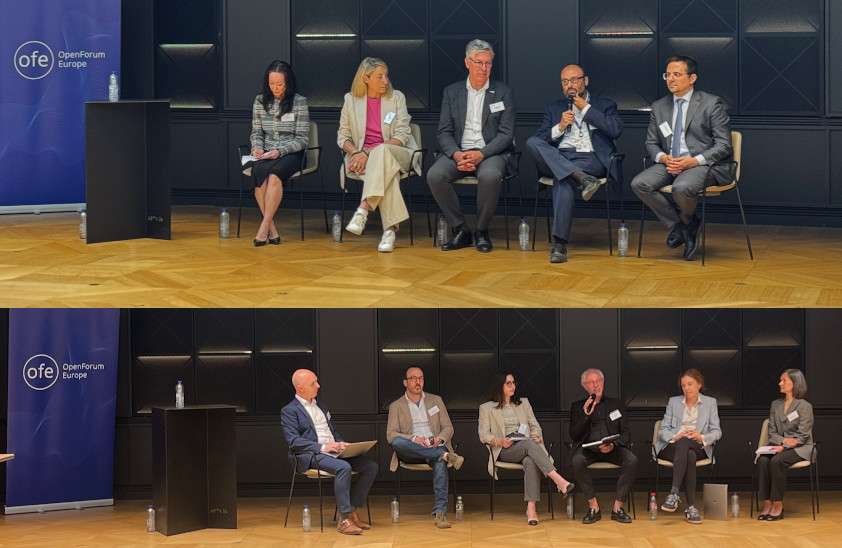
2025 was a pivotal year for open source policy in Europe. We deepened our engagement on critical files, ensuring that the voice of the open technology community is heard in Brussels and beyond. Our work on standardisation, one of OFE’s core topics, took a bigger role on our centre stage, with two events: “Does the EU Need a New Standardisation Organisation?” in May, and “Solving the Standardisation Dilemma“ in October. These discussions brought together policymakers, industry, and civil society to explore how open standards can drive innovation and digital sovereignty, particularly in the context of the upcoming revision of Regulation 1025 on Standardisation and the New Legislative Framework.
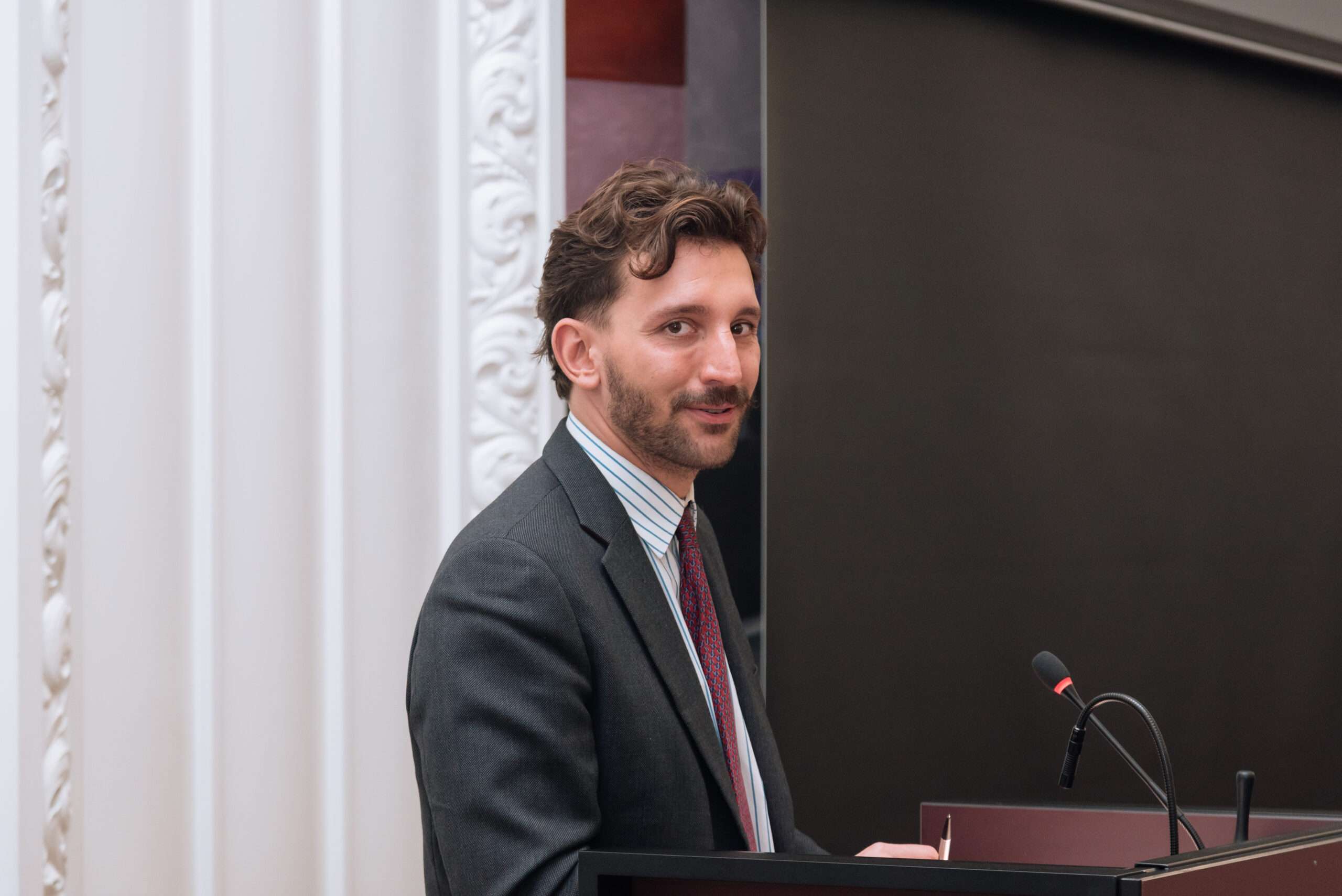
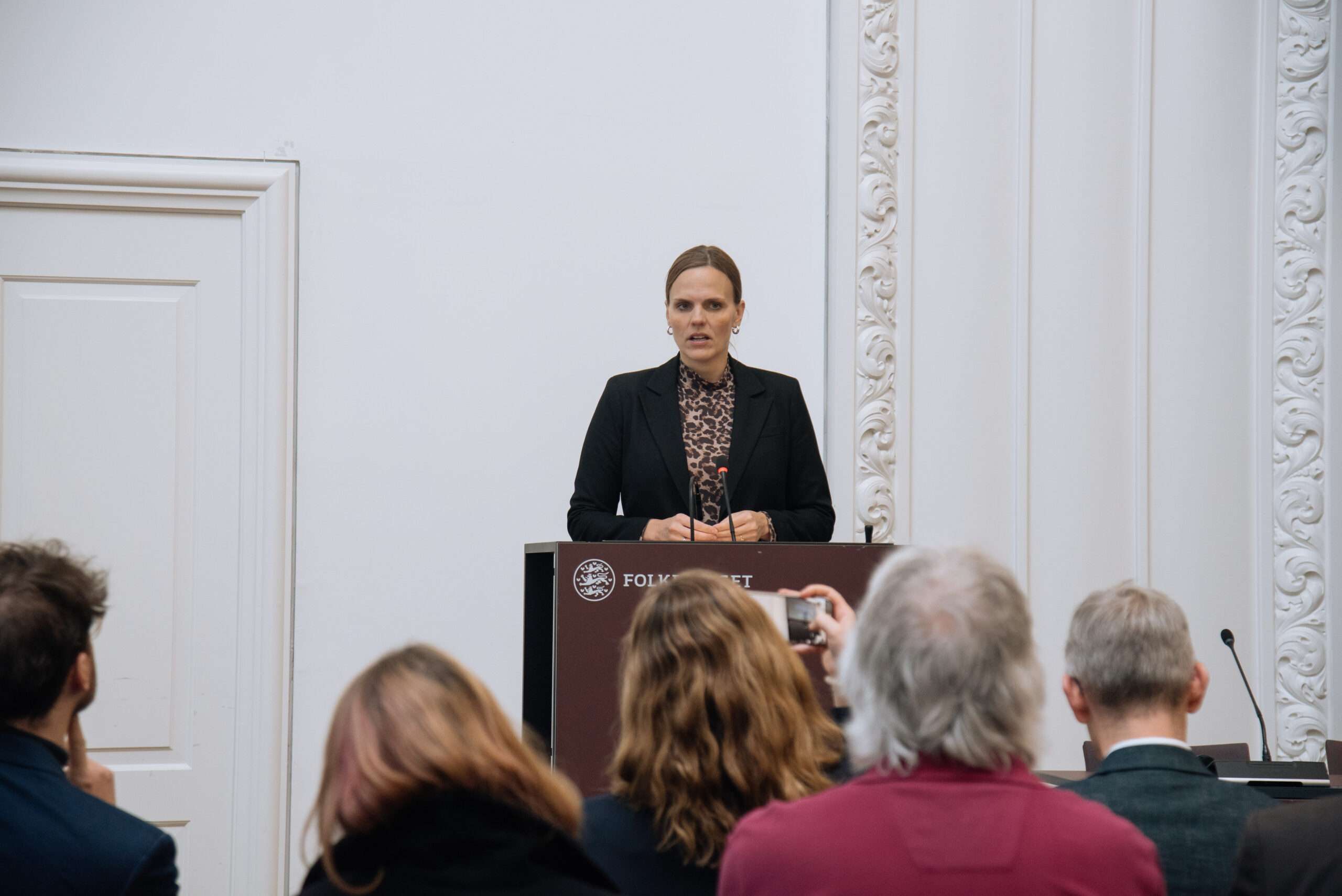
Our Capital Series continued to bridge local and European perspectives, with events in Poland and Denmark, fostering dialogue on open source’s role in the digital decade. These gatherings are more than just meetings—they are opportunities to build a shared vision for Europe’s digital future. Join us next year in Cyprus and Ireland!
The Open Source Weeks: A Global Movement
This year demonstrated how open source is becoming an organising force for policy dialogue at regional and global levels. The EU Open Source Week has established itself as a central moment in the European policy calendar, and the launch of the UN Open Source Week signals growing recognition of open technologies as a global public interest priority. We hope to see similar initiatives emerge in other parts of the world. Politics may remain regional, but open source operates across borders, and these weeks create spaces where communities can align efforts and exchange experience.
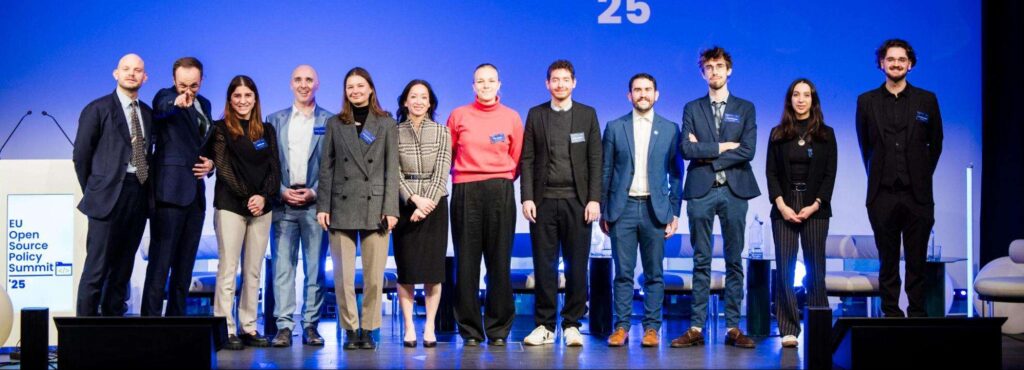
- The EU Open Source Week 2025 brought together key moments for policy, community, and technical dialogue. It opened with the Inaugural European Academy Awards and OFE’s EU Open Source Policy Summit, which set the direction for the year’s work. At FOSDEM, our team contributed to discussions on legal frameworks, funding models for the open ecosystem, and public sector collaboration, reinforcing the relevance of open source in policymaking. The week also connected to wider European activity, including the State of Open Conference in London, which convenes a broad community working across software, hardware, data, standards, and AI. Together, these events underscored the growing coordination of open technology efforts across Europe.
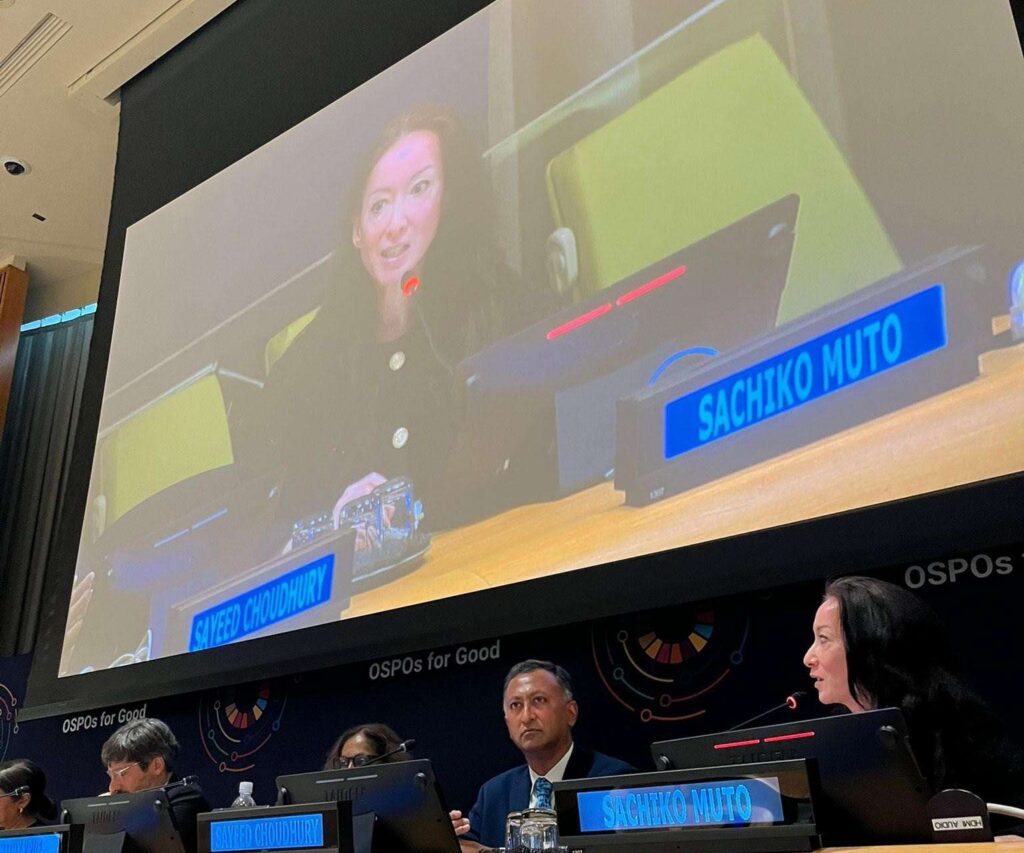
- UN Open Source Week in New York built on the success of the OSPOs for Good Conference, which we co-organised last year and which demonstrated the value of coordinated engagement on open technologies within the UN system. The inaugural week provided a structured platform for dialogue on open source in the public interest and in AI. We endorsed the UN Open Source Principles, spoke in panels, led breakout sessions, and worked with stakeholders from across regions. The week illustrated how open source is becoming an integral element of global digital governance.
Building Europe’s Digital Sovereignty
One of our most significant contributions this year was the publication of the report “Funding Europe’s Open Digital Infrastructure: The Economic, Legal, and Political Feasibility of an EU Sovereign Tech Fund (EU-STF)“. This roadmap, released in July, outlines how Europe can secure and maintain critical open source technologies essential for cybersecurity, resilience, and competitiveness. The presentation OFE gave on the report was attended by representatives of the Permanent Representation of the Republic of Cyprus to the EU. In October, we then launched a public letter, signed by dozens of organisations, calling for the establishment of the EU-STF.
Advancing Open Technology Research
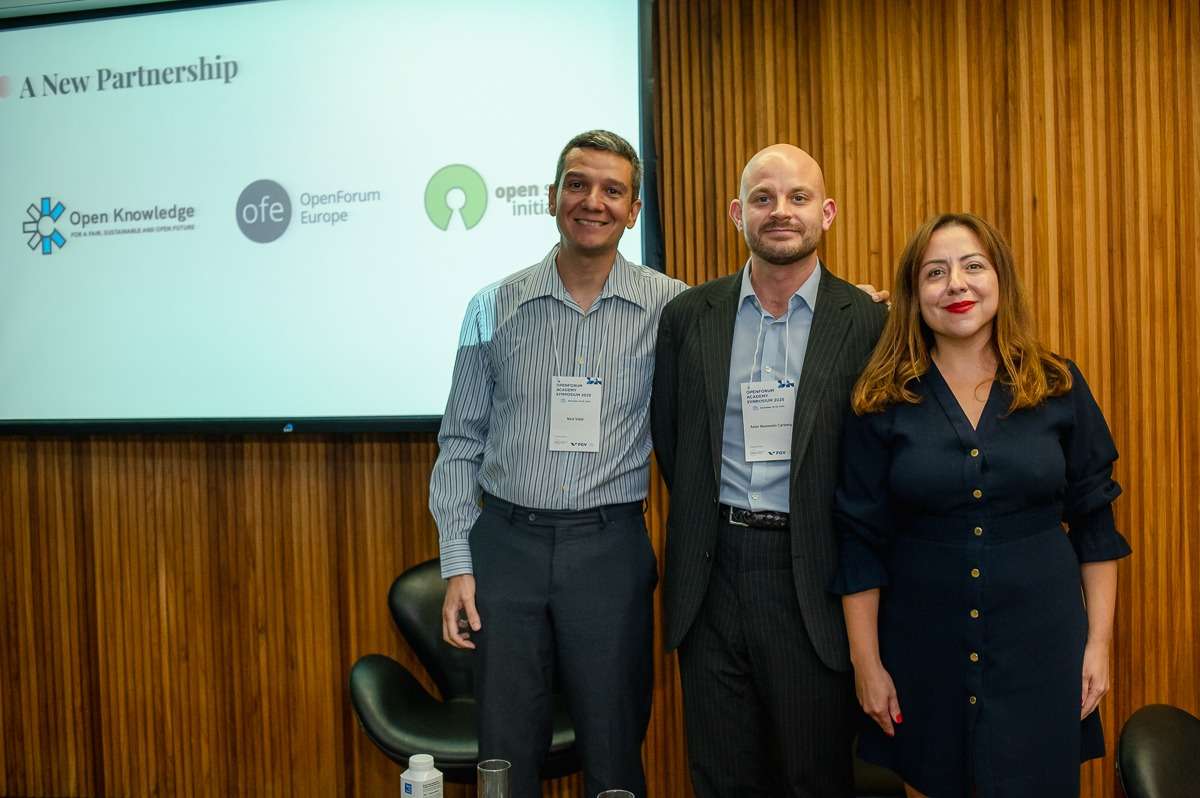
In November, OFE announced a new partnership with the Open Source Initiative (OSI) and the Open Knowledge Foundation (OKF) to advance open technology research. This collaboration, launched at our OpenForum Academy Symposium in Rio de Janeiro, will drive forward the evidence base for open source as a catalyst for innovation and public value.
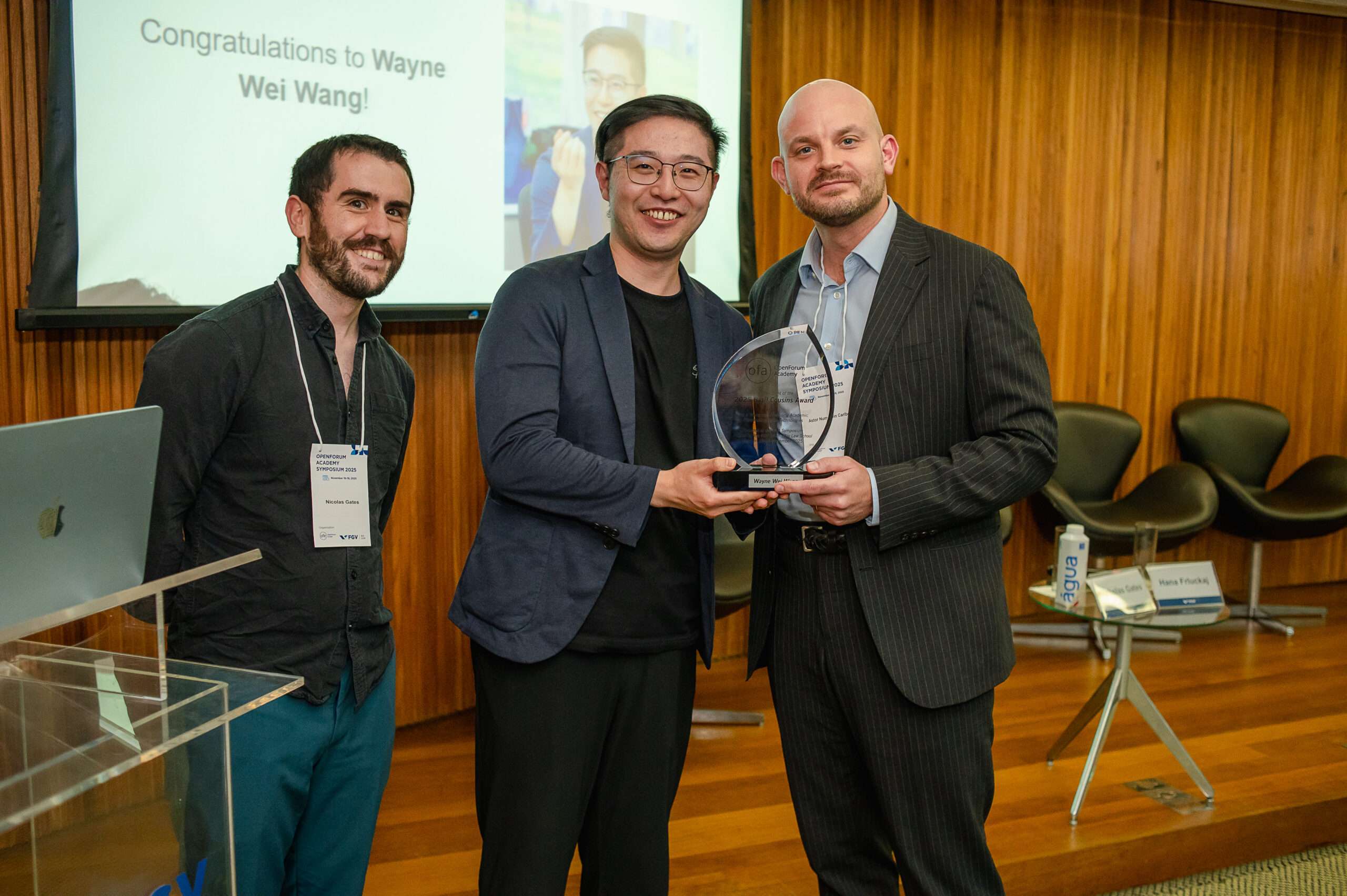
We were also proud to award the Basil Cousins Award to Wei Wang, recognising his outstanding contributions to the open technology field.
OFE on Tour
Our team travelled across Europe and beyond, sharing insights and advocating for open source at over 30 events—from Paris to Tokyo, Brussels to Brasília. Whether discussing open source AI, digital sovereignty, or public sector innovation, we brought the open technology policy perspective to the forefront of global conversations.
| January | Open Source AI – Paris, France |
| February | National Open Source Innovation Summit – Dublin, Ireland |
| March | FOSS Backstage – Berlin, Germany Temadag om offentlig digitalisering – Stockholm, Sweden |
| April | EU-Japan Digital Week, Tokyo, Japan FSFE LLW – Essen, Germany |
| May | Paris AI event – Paris, France Khan Pedersen’s Seminar on Public Sector Digitalisation Stockholm, Sweden Digital Commons Policy Council LAB2025 – Liverpool, UK OSOR presentation at DORS/CLUC – Zagreb, Croatia |
| June | AI Event of CEPS & European Economic and Social Committee – Brussels, Belgium Korea Copyright Commission Conference – Seoul, South Korea |
| July | Global digital collaboration – Geneva, Switzerland |
| August | Open Source Summit Europe – Amsterdam, The Netherlands |
| September | OSPOs for Europe event hosted by Schleswig-Holstein – Brussels, Belgium Webinar open source and standardisation, opportunities ahead – online |
| October | DrupalCon keynote panel – Vienna, Austria Numérique en commun – Strasbourg, France Central European Open Source Policy Forum – Brno, Czech Republic LF Roadshow and Member Summit – Ghent, Belgium CEPS Open SSF event – Brussels, Belgium |
| November | NexusForum Summit – Brussels, Belgium Open Source in Cloud Infrastructure for IPCEI-CIS – online NGI Commons, High level Digital Policy Summit – Brussels, Belgium Digital Public Goods Alliance’s Annual Members Meeting – Brasilia, Brazil |
| December | CEPS Cybersecurity Summit – Brussels, Belgium |
Looking Ahead
As I prepare to pass the baton, I know that OpenForum Europe will continue to lead the charge for open collaboration, digital sovereignty, and inclusive innovation. The challenges ahead—from AI to cybersecurity—demand that we work together, across borders and sectors, to build a digital future that is open, resilient, and competitive.
Thank you for letting me be part of this journey!
Warm regards,
Astor Nummelin Carlberg
Executive Director,
OpenForum Europe